Our mission is to provide the Authority’s customers with reliable, safe drinking water and to provide sewer services in an environmentally responsible and fiscally sound manner while focusing on cost efficiency and value-oriented service. Providing the best possible services will always be the number one priority for the Newton County Water & Sewerage Authority.
Message from the Executive Director
Introduction
I am pleased to share NCWSA’s proposed operating budget for the fiscal year ending June 30, 2026. This document (“FYE 2026 Budget”) is more than a set of numbers, it is our roadmap for advancing the Authority’s core priorities – water quality, fiscal strength, resource sustainability, system reliability, and workforce growth.
Every line item reflects a simple promise to our ratepayers: dependable, high-quality water and wastewater service delivered with professionalism, courtesy, and efficiency. With your engagement and support, the FYE 2026 Budget positions us to keep that promise while continuously raising the bar for the communities we serve.
Background
Each year brings its own challenges, and the year ahead will be no exception. As we move beyond the recent global pandemic, we now face higher-than-average inflation and elevated mortgage rates. Although inflation has averaged around 3% during the first half of 2025, persistently high mortgage rates continue to suppress single-family housing starts in the unincorporated areas of Newton County. Political and social unrest further contribute to an unpredictable economic landscape.
Despite these headwinds, we remain optimistic. Opportunities will emerge for those who stay committed and focused. Our community remains central to all that we do, and the Authority is dedicated to crafting a thoughtful and responsible budget—one that supports consistent, high-quality service and promotes the growth of our local economy.
Strategic Priorities for Fiscal Year Ending 2026
Commitment to Financial Stability – We are committed to financial stability by building a budget grounded in realistic projections of water demand, wastewater treatment, housing development, and economic activity. This approach is guided by sound financial policies that ensure strong debt service coverage and safeguard the Authority’s long-term fiscal health.
Never underestimate the positive influence children can have to encourage their families to be better water stewards. Kids can check out our Kids Center helpful tips and fun activities.
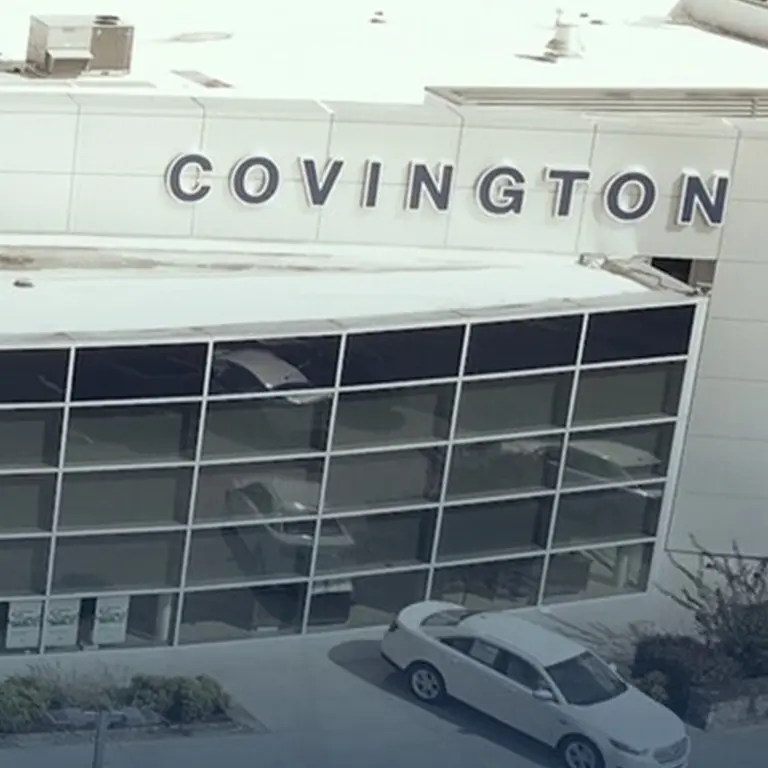
Covington Ford is one of Georgia’s oldest family-owned Ford dealerships, and in 2011 they moved into a new LEED-gold certified building. The building uses water-smart fixtures and pollution-reducing storm water management.
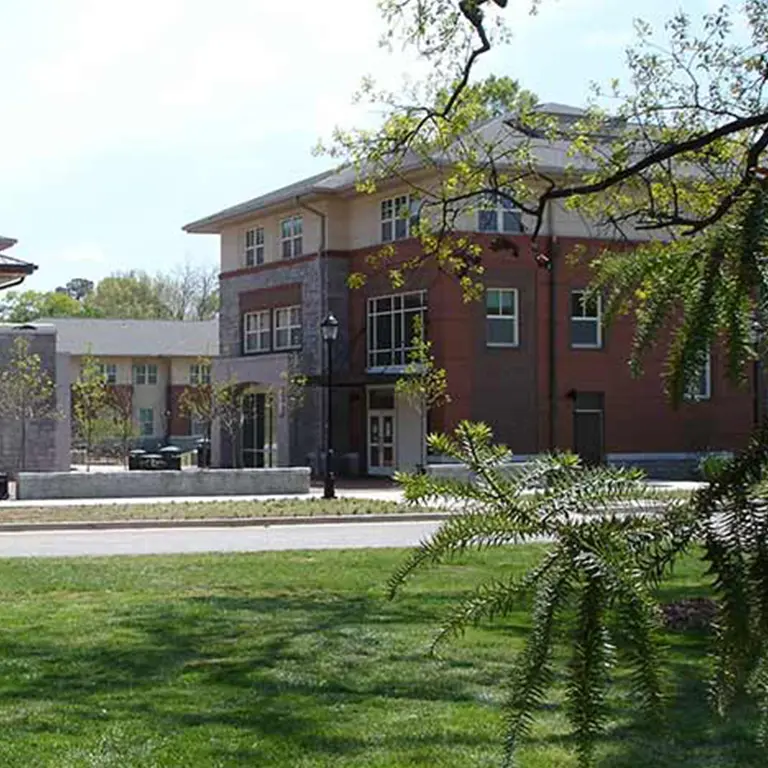
The East Village Residential Complex at Oxford College is LEED-gold certified. It has an underground storage tank for irrigation and drip irrigation with rain sensors.
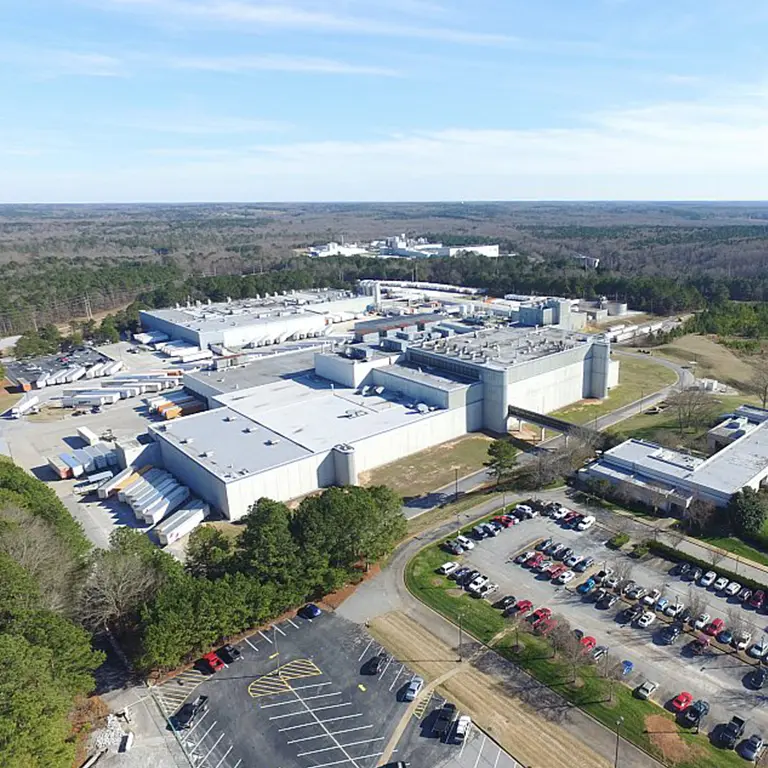
The General Mills plant in Covington installed a wastewater treatment system that reuses half the plant’s process wastewater for other purposes, saving 5.3 million gallons of water per month.
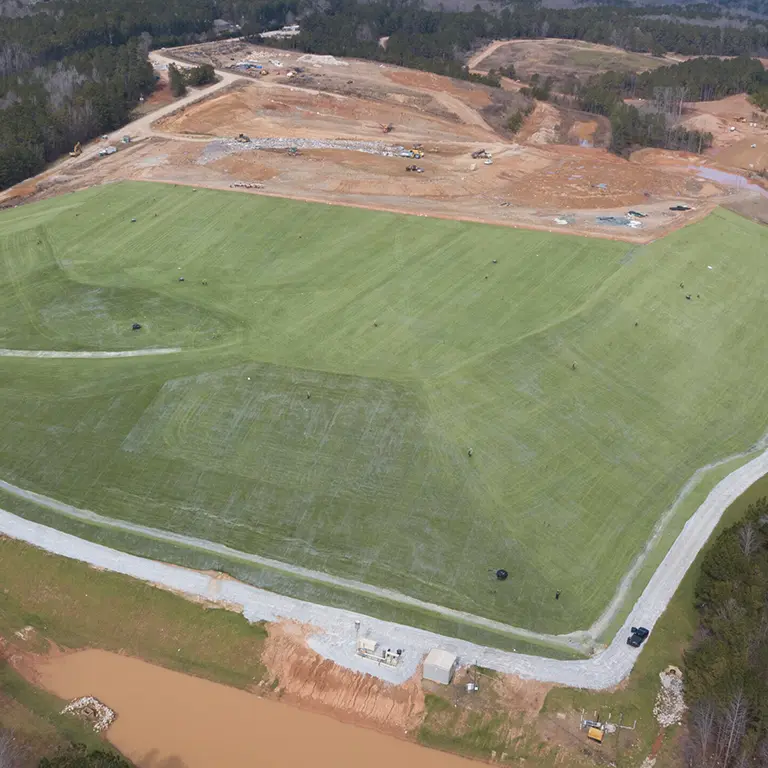
The “Site 1 MSW” area of Newton County’s landfill closed in 1991. Though no environmental improvements were required, the site is within a quarter mile of the Yellow River, so Newton County brought the site up to current standards. This includes removing the waste and treating the remaining soil.
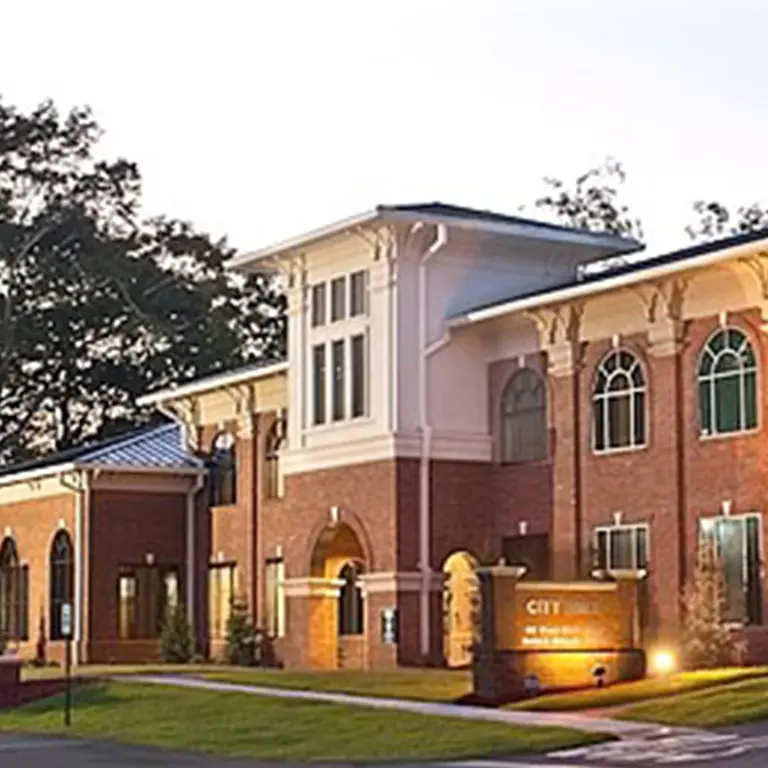
Oxford’s City Hall opened in 2010. This redevelopment implemented several new stormwater mitigation features. Porous pavement in the parking areas reduces runoff. Any remaining stormwater is captured by a rain garden, which slowly filters the water through layers of stone and soil. An underground vault collects the remaining stormwater and stores it for future irrigation.
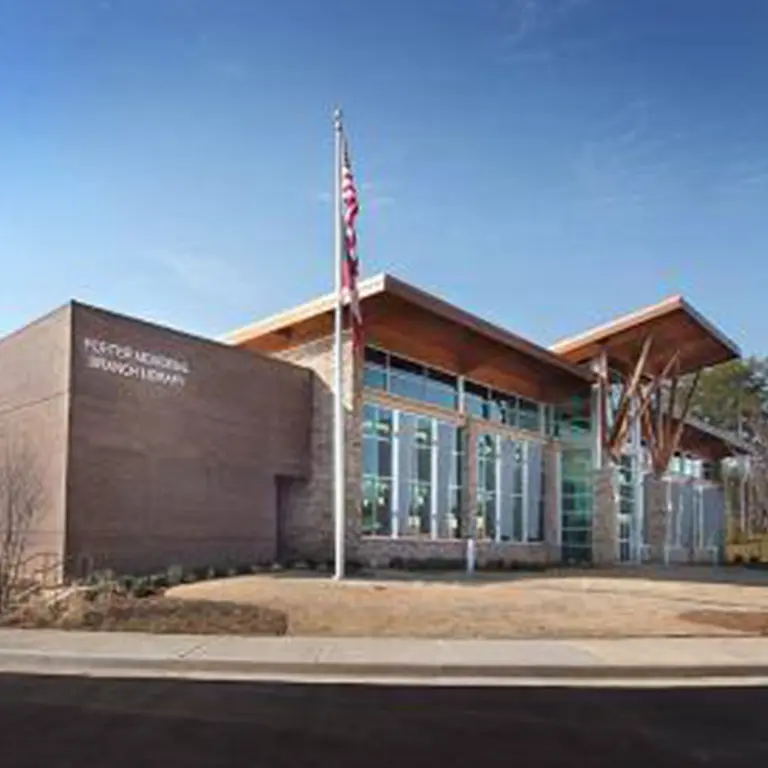
The Porter Memorial Library, opened in 2010, is Newton County Government’s first LEED certified building. It was designed with several water-smart features, including bio-swales for stormwater treatment and an underground collection tank for irrigation.
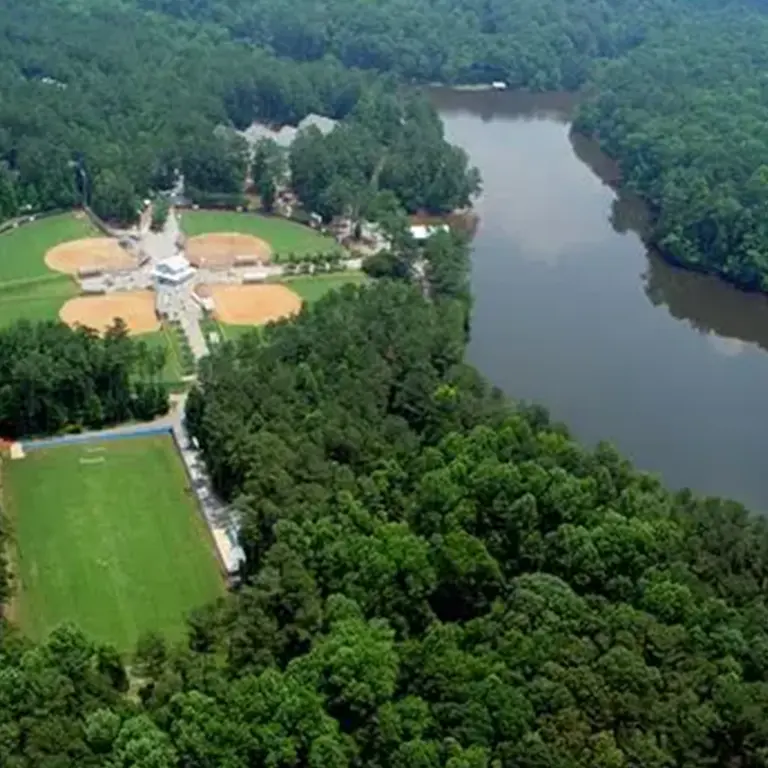
The park includes several stormwater management techniques such as riparian buffers, a design to fit the terrain, reduced grading, a reduced parking footprint, and great efforts to preserve mature trees. Runoff is directed to pervious areas such as gravel parking lots.
A new bio-retentive parking lot was constructed behind the Covington City Hall. The parking lot prevents storm water from entering Dried Indian Creek. Water quality measurement is continuously measured, and city cars are washed on a special new pad.
