Where does used water go?
Our water reclamation staff treats wastewater to make it safe to return to the environment.
NCWSA’s two water reclamation facilities are the Yellow River WRF and A. Scott Emmons WRF. Our water reuse facility is currently under construction.
We are committed to protecting our community’s waterways through advanced and responsible water reclamation. Our facilities operate around the clock to safely treat and recycle wastewater from homes, businesses, and industries—returning clean water to the environment or preparing it for beneficial reuse.
Hours: Monday – Friday from 7:00 a.m. until 4:00 p.m
The YRWRF is located on the banks of the Yellow River south of City of Porterdale. The treatment process is a 24/7 operation. After treatment levels have been met, the effluent is pumped by lift stations to the City of Covington / NCWSA’s Land Application System located on Flat Shoals Road where it is applied to the 3,000 acres of spray fields.
Our ASEWRF is located adjacent to the Stanton Springs Industrial Park and treats wastewater from several industries. At the Emmons WRF, we offer field trips for students and tours for adults in addition to hosting community events.
(currently under construction)
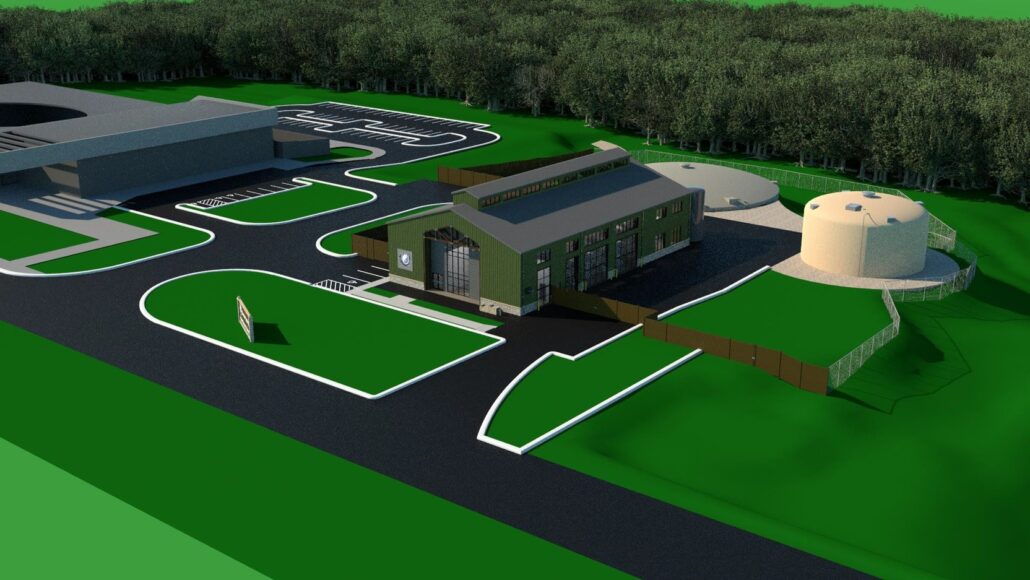
NCWSA’s Water Reuse Facility will provide cost-effective and high-quality industrial water treatment services to Stanton Springs. Reverse Osmosis is an innovative and proven technology to produce high-quality water that is suitable for many industrial applications, including battery manufacturing and data hall cooling. Growth in the Newton County drives us to recycle water for responsible industrial use.
Water Reuse Benefits
Water reclamation facilities play a vital role in protecting public health and the environment. These facilities take wastewater from homes, businesses, and industries and treat it so it can be safely returned to rivers, lakes, or reused for irrigation and other purposes. By cleaning and recycling water, they help conserve resources and maintain the quality of our water supply.
Wastewater often contains nutrients like nitrogen and phosphorus, which, if released untreated, can harm ecosystems. These nutrients fuel excessive algae growth in rivers and lakes, leading to problems such as:
To prevent this, water reclamation facilities use advanced treatment processes:
By removing these nutrients, water reclamation facilities help keep waterways healthy, protect wildlife, and ensure safe water for future generations.
Rules and Regulations for Sewer Use and Industrial Pretreatment Program
Sewer Development Regulations – View Ordinance in Entirety
This ordinance sets forth uniform requirements for users of the Publicly Owned Treatment Works for the Newton County Water and Sewerage Authority (Authority) and enables the Authority to comply with all applicable State and Federal laws, including the Clean Water Act (33 United States Code § 1251 et seq.) and the General Pretreatment Regulations (40 Code of Federal Regulations Part 403). The objectives of this ordinance are:
A. To prevent the introduction of pollutants into the Publicly Owned Treatment Works that will interfere with its operation;
B. To prevent the introduction of pollutants into the Publicly Owned Treatment Works that will pass through the Publicly Owned Treatment Works, inadequately treated, into receiving waters, or otherwise be incompatible with the Publicly Owned Treatment Works;
C. To protect both Publicly Owned Treatment Works personnel who may be affected by wastewater and sludge in the course of their employment and the general public;
D. To promote reuse and recycling of industrial wastewater and sludge from the Publicly Owned Treatment Works;
E. To provide for fees for the equitable distribution of the cost of operation, maintenance, and improvement of the Publicly Owned Treatment Works; and
F. To enable the Authority to comply with its National Pollutant Discharge Elimination System permit conditions, sludge use and disposal requirements, and any other Federal or State laws to which the Publicly Owned Treatment Works is subject.
This ordinance shall apply to all users of the Newton County Water and Sewerage Authority’s Publicly Owned Treatment Works. The ordinance authorizes the issuance of wastewater discharge permits; provides for monitoring, compliance, and enforcement activities; establishes administrative review procedures; requires user reporting; and provides for the establishment of fees for the equitable distribution of costs resulting from the program established herein.
For sewer tap inspections please call the NCWSA Inspector at 678-878-5987 for an appointment.
Office Phone Number:
770-786-4179
After Hours (Emergency Only):
Water: 770-385-3939
Sewer 678-776-1295
For more information on how to protect the water on your property, please call Bryan Bloodworth, Cross Connection Control Coordinator, at 770-385-3930.